
A machine shop serves as the heart of the manufacturing industry, where raw materials are transformed into precisely crafted components that are essential across various sectors such as automotive, aerospace, medical, and electronics. These specialized facilities are equipped with advanced machinery and operated by skilled technicians who ensure that every part is manufactured with the utmost precision. In the fast-paced world of modern manufacturing, machine shops are vital to meeting the growing demand for high-quality, durable, and cost-effective products. Their role extends far beyond simple production, as they provide key services like prototyping, product development, and machinery repair, making them integral to the success of businesses across industries.
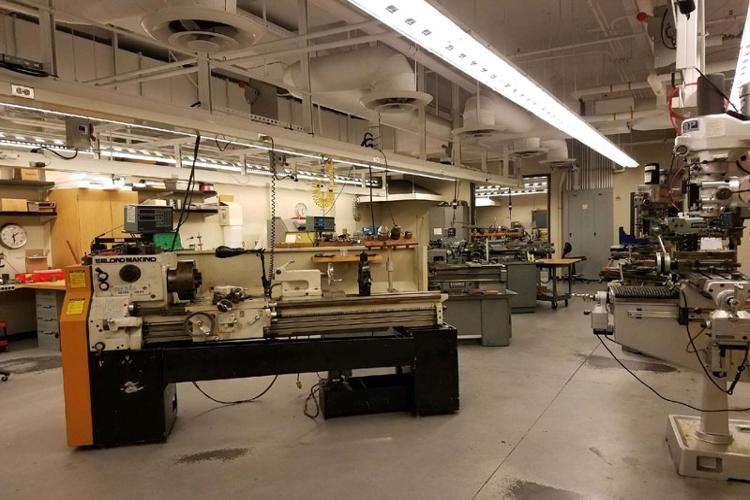
Machine shops typically feature a range of specialized equipment designed for high-precision manufacturing. Among the most common tools are CNC (Computer Numerical Control) machines, which allow for the automation of complex tasks such as milling, turning, and drilling. These machines offer unparalleled accuracy, enabling the production of parts with tight tolerances that are essential for industries like aerospace and medical device manufacturing, where precision is critical. CNC technology has significantly improved efficiency by reducing human error and increasing the speed of production, making it possible to produce parts in large quantities without sacrificing quality.
In addition to mass production, machine shop are instrumental in product development and innovation. Many companies turn to machine shops for prototyping and small-batch production, allowing them to test new designs before scaling up to larger manufacturing runs. This rapid prototyping capability is invaluable in industries where market demands and technological advancements change rapidly. By working with a machine shop, companies can quickly bring new products to market, experiment with designs, and refine their ideas, all while ensuring that the quality of each component meets industry standards.
Another critical function of a machine shop is its ability to maintain and repair industrial equipment. In manufacturing, machinery downtime can lead to significant losses, so having a reliable machine shop that can fabricate replacement parts or repair damaged equipment is essential. Machine shops are equipped to quickly respond to these needs, ensuring that production continues with minimal interruptions. This repair and maintenance capability is particularly valuable in industries like energy, transportation, and heavy manufacturing, where machinery failure can result in costly delays.
As sustainability becomes increasingly important in modern manufacturing, machine shops are also adapting to eco-friendly practices. Many facilities are adopting energy-efficient machinery, reducing waste, and recycling materials to minimize their environmental footprint. These practices not only help businesses meet sustainability goals but also contribute to cost savings in the long run. By reducing energy consumption and material waste, machine shops play a crucial role in creating a more sustainable and efficient manufacturing ecosystem.
In conclusion, a machine shop is a vital component of modern manufacturing, contributing to the production of high-quality parts, the development of innovative products, and the maintenance of industrial equipment. With the ability to provide services like prototyping, repair, and sustainable manufacturing practices, machine shops are indispensable to industries around the world. As technology continues to advance, the importance of machine shops will only grow, solidifying their role in the future of manufacturing.